A year after every practice in England was told to keep its online form open all day, requests have nearly trebled, patients say contact is easier, and GPs are in open dispute with the government. We went through the data to answer the question that matters: after you press submit, do you get seen?
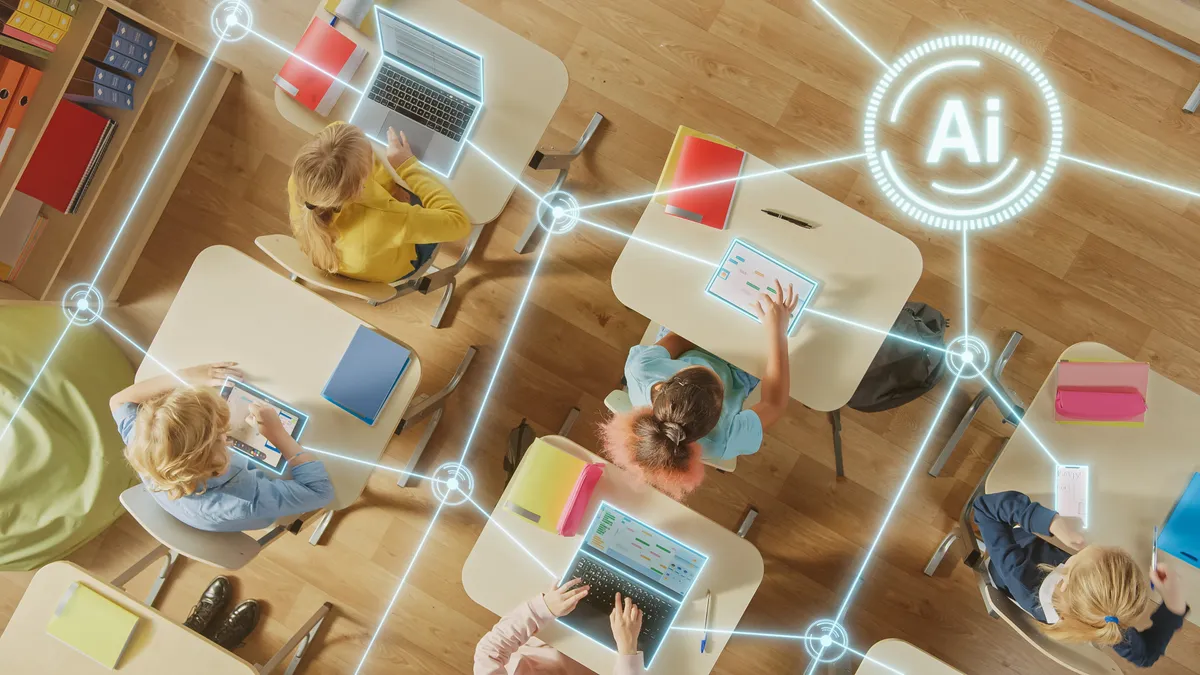
Nearly nine in ten young people use AI tools, most teachers now use them every week, and the government is paying eight companies to build AI tutors for disadvantaged pupils. A guide to what is actually happening in UK schools, what the evidence says, and who wants what.
Smart glasses, AI pins and clip-on recorders are being sold as the computer after the smartphone. A Reuters analysis this week shows the industry has hit the one problem a better chip cannot fix: the people on the other side of the lens.
Panels got cheap; now they are getting better. Tandem cells, thinner wafers and smarter deployment are changing what solar can do — but the biggest constraint is no longer the panel at all.
Apple has never confirmed a foldable phone exists. Yet the supply chain, the patent filings and half the analyst community treat it as a matter of when. Here is how to read the noise.