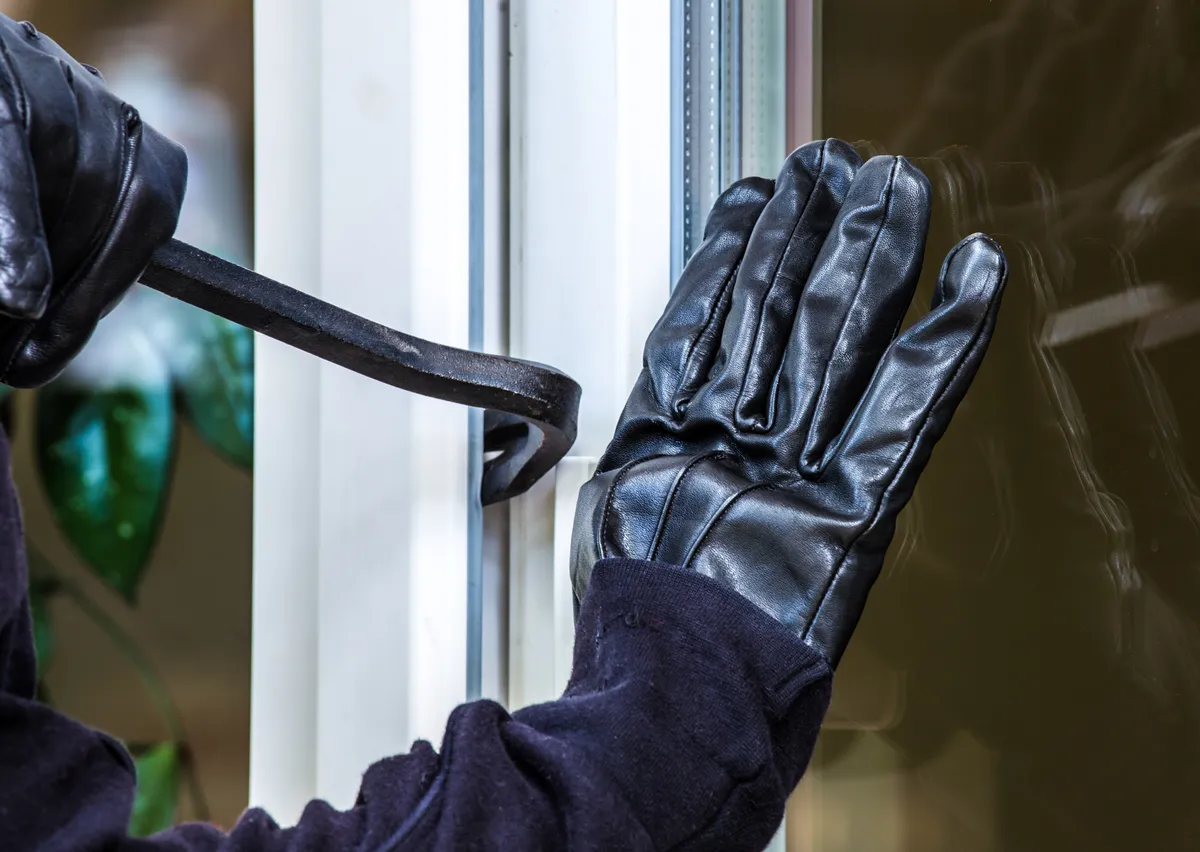
153,966 home burglaries were recorded last year. One in twenty ended in a charge; seven in ten were closed with no suspect, half within the month. London is last of 43 forces at 2.5%. We read every outcome, every London crime, the closure rules and a promise to attend that nobody has measured.
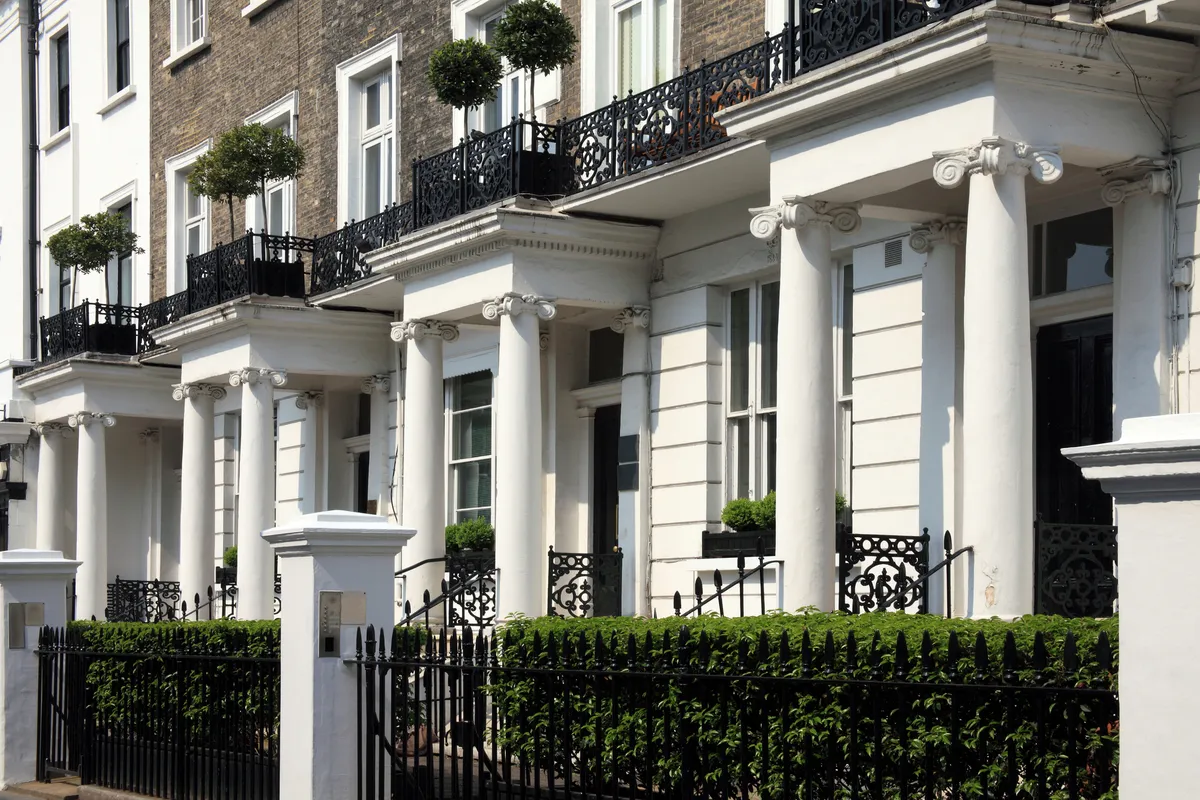
Overseas companies hold 91,109 titles in England and Wales, about 22,000 of them flats. We matched every one to the register meant to name their owners. Four in ten lead to a named person, nearly half of them British. The rest end at a company, a trust, or nothing. 445 penalties; £1.18m collected.
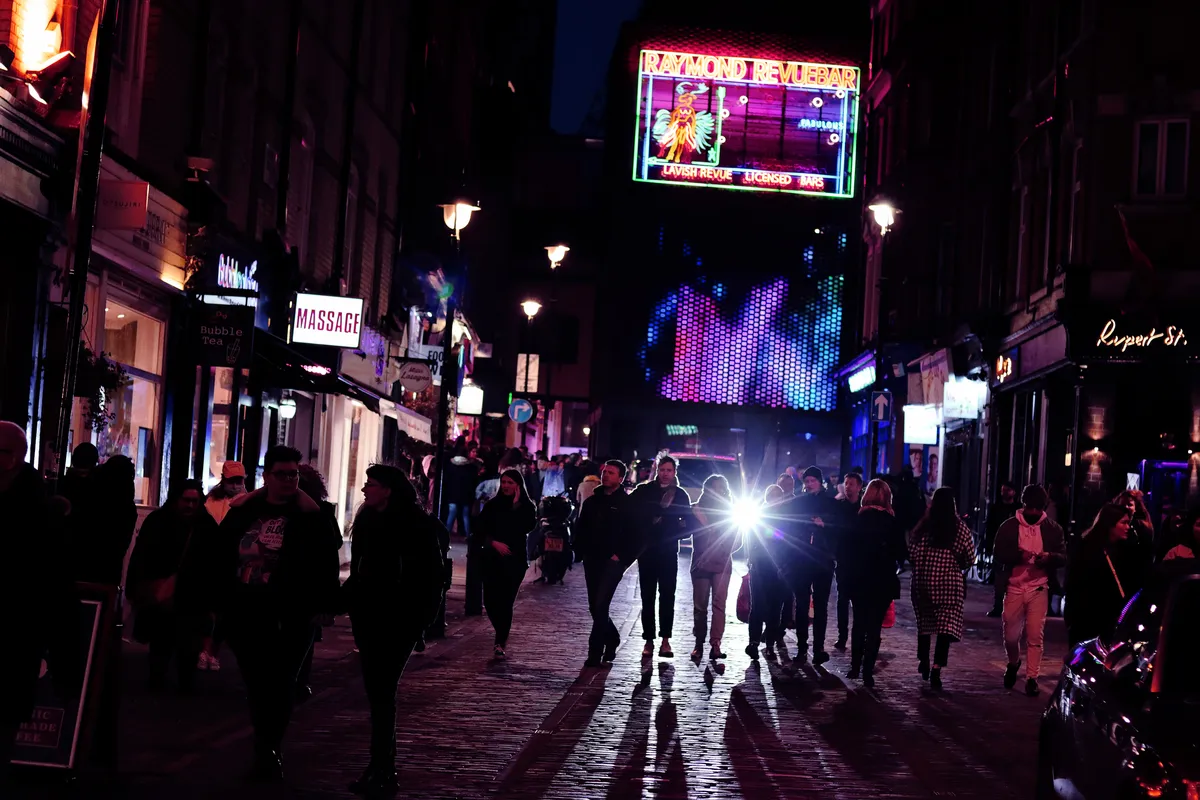
The pub-table version says the Mayor is strangling London's nightlife with dancing licences and six-month shutdowns. Almost none of it is true. What is true: a fifth of the capital's late-night venues have gone since 2020, 33 councils write the rules, and other British cities are losing far less.
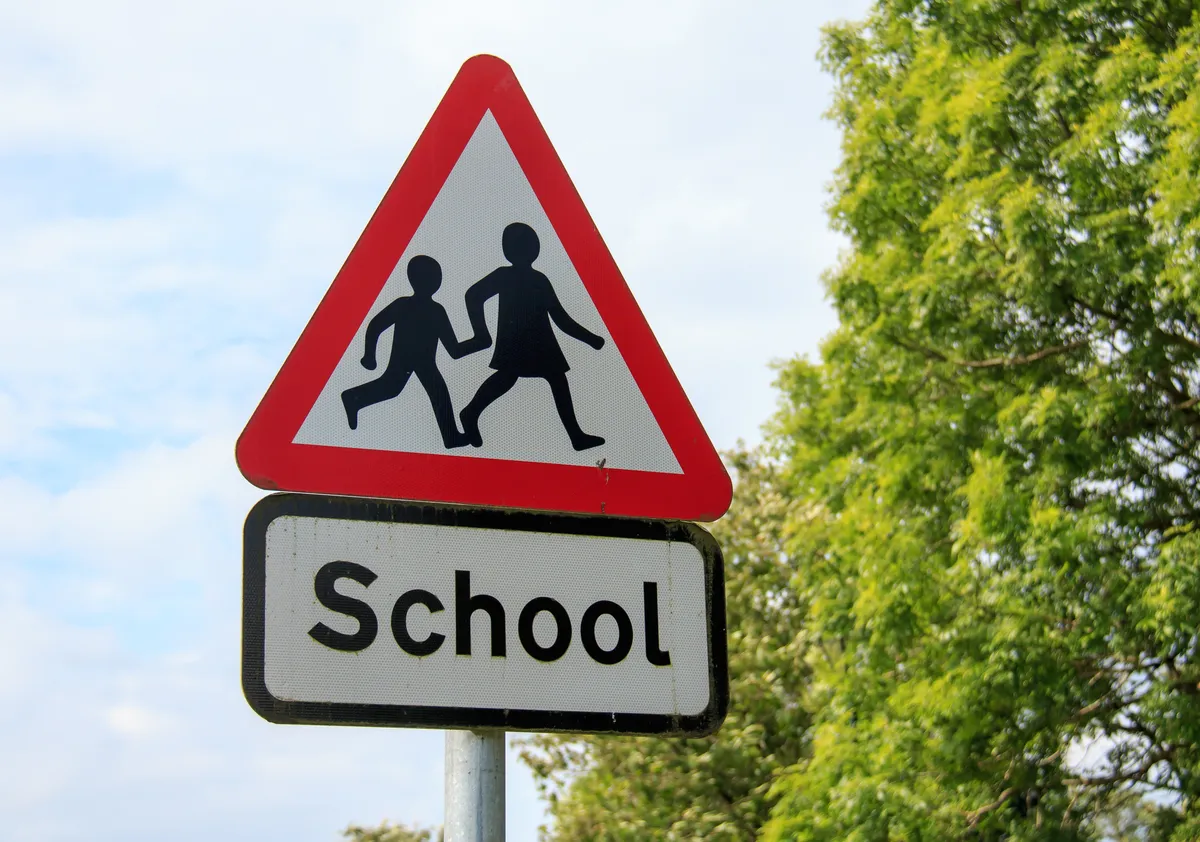
After the death outside Highgate School, we asked whether fee-paying schools get the same protection as state ones. Haringey's record was fair. Barnet's and Wandsworth's are not: neither has a single private school among its School Streets. It comes down to who gets to choose.
The suspicion after a death outside a fee-paying school is that councils look after state pupils first. Haringey's record says otherwise. The real gap is that the one protection councils have rolled out at scale cannot be used on the main roads where children are most at risk.