British law has no age for cosmetics beyond a check for under-threes. We read 1,218 ingredient lists: among the brands tweens buy, one product in seven has a retinoid or an acid and none states an age. Europe capped retinol in 2024; Britain has not. The alerts catch toy make-up, not the trend.
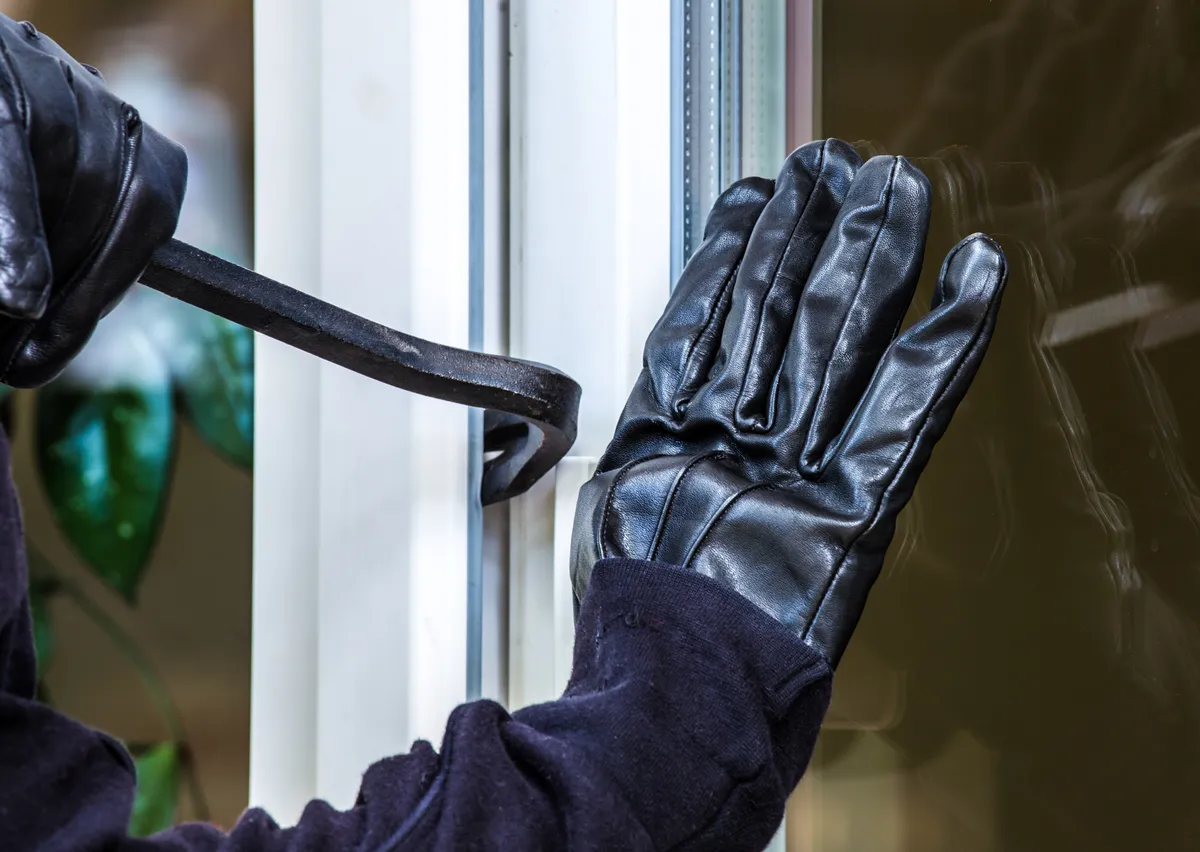
153,966 home burglaries were recorded last year. One in twenty ended in a charge; seven in ten were closed with no suspect, half within the month. London is last of 43 forces at 2.5%. We read every outcome, every London crime, the closure rules and a promise to attend that nobody has measured.
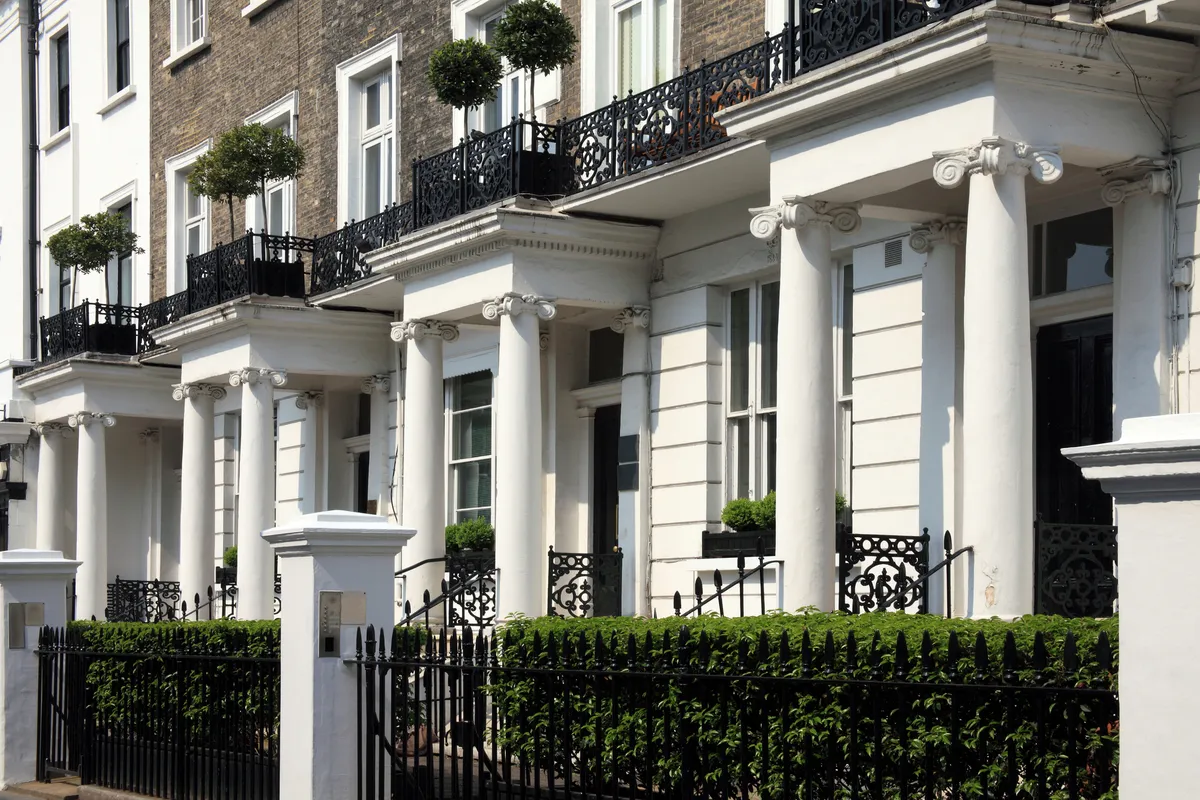
Overseas companies hold 91,109 titles in England and Wales, about 22,000 of them flats. We matched every one to the register meant to name their owners. Four in ten lead to a named person, nearly half of them British. The rest end at a company, a trust, or nothing. 445 penalties; £1.18m collected.
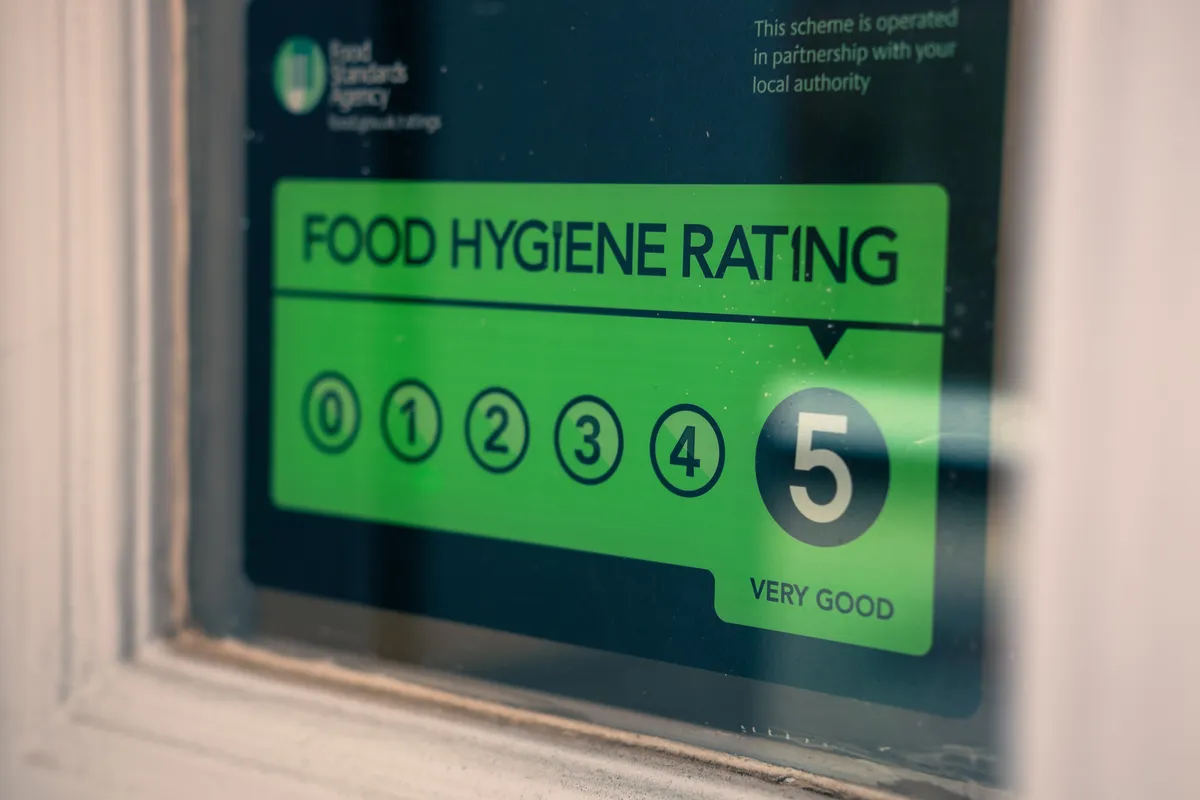
We downloaded every food hygiene rating in England, Wales and Northern Ireland, and snapshots back to 2019. A quarter are over two years old, big brands are almost never marked down, franchised chicken shops and corner-shop fascias are, and customers who get ill almost never reach anyone who counts.
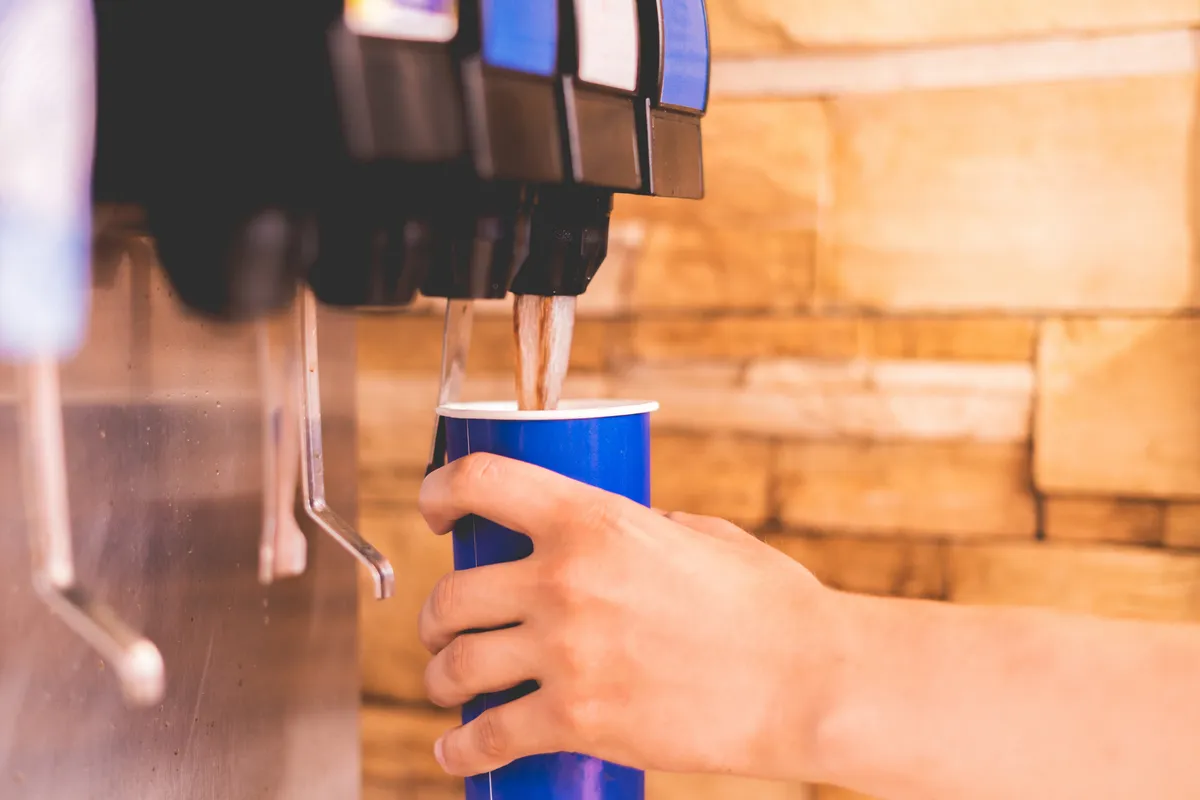
Britain swapped sugar for sweeteners in 2018 and has not measured what children drink since 2003. We read the cancer rulings, the regulators' files and the funding lines of the key studies. Industry paid for much of the reassurance. The evidence shows no cancer link. Nobody in the UK is checking.
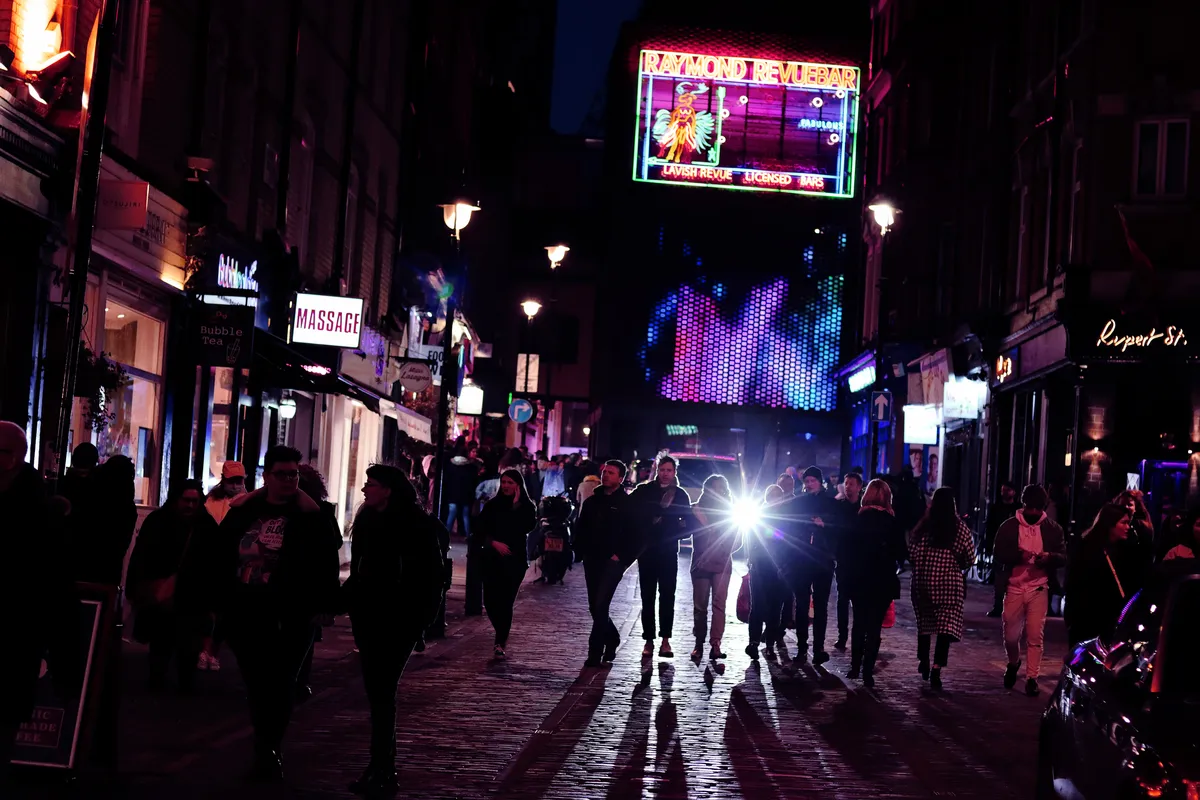
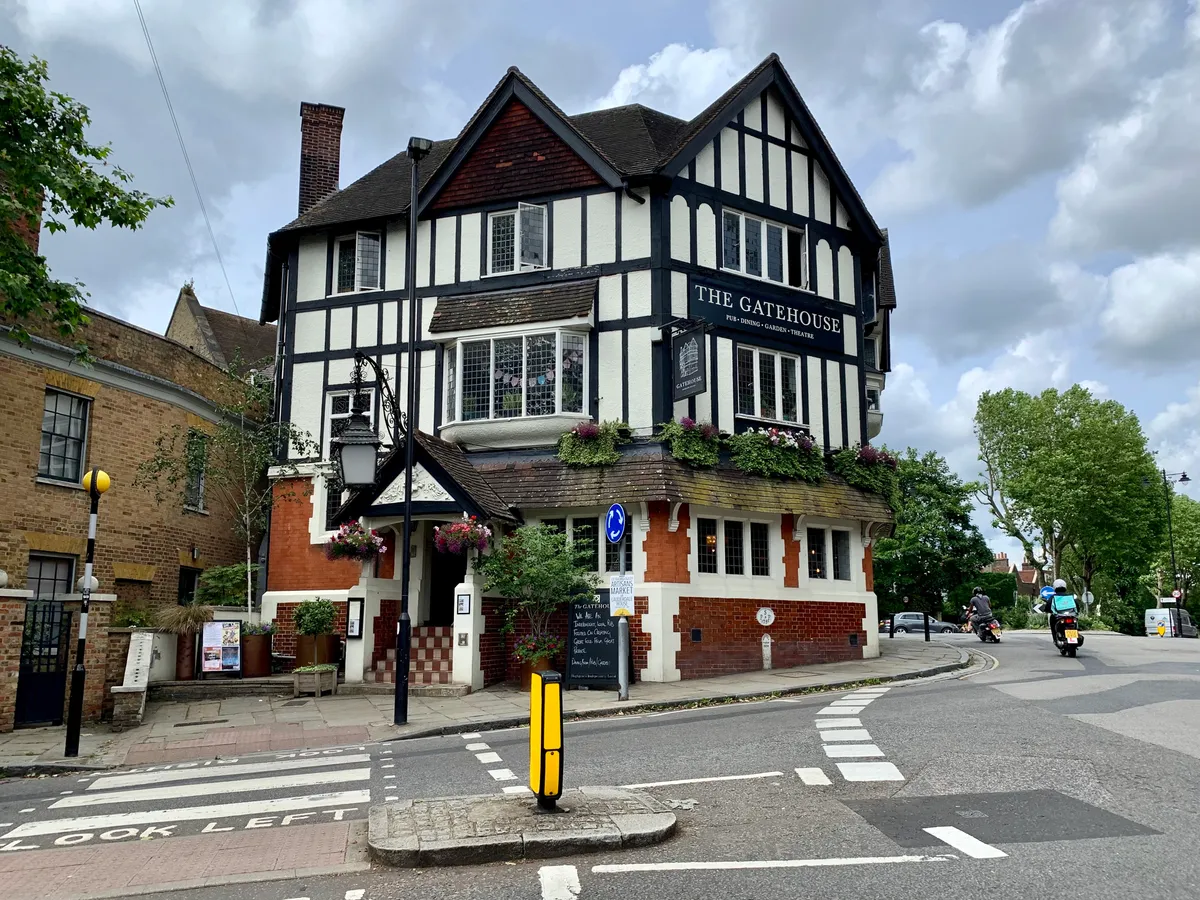
The pub-table version says the Mayor is strangling London's nightlife with dancing licences and six-month shutdowns. Almost none of it is true. What is true: a fifth of the capital's late-night venues have gone since 2020, 33 councils write the rules, and other British cities are losing far less.
Critics call BBC reporters a left-leaning clique. We took bylines from the BBC News homepage and section pages, found their X and Bluesky accounts, read every post and coded each against a rubric fixed in advance. Most reveal nothing. Of the 16 who do, 12 lean left, four are mixed, none lean right.
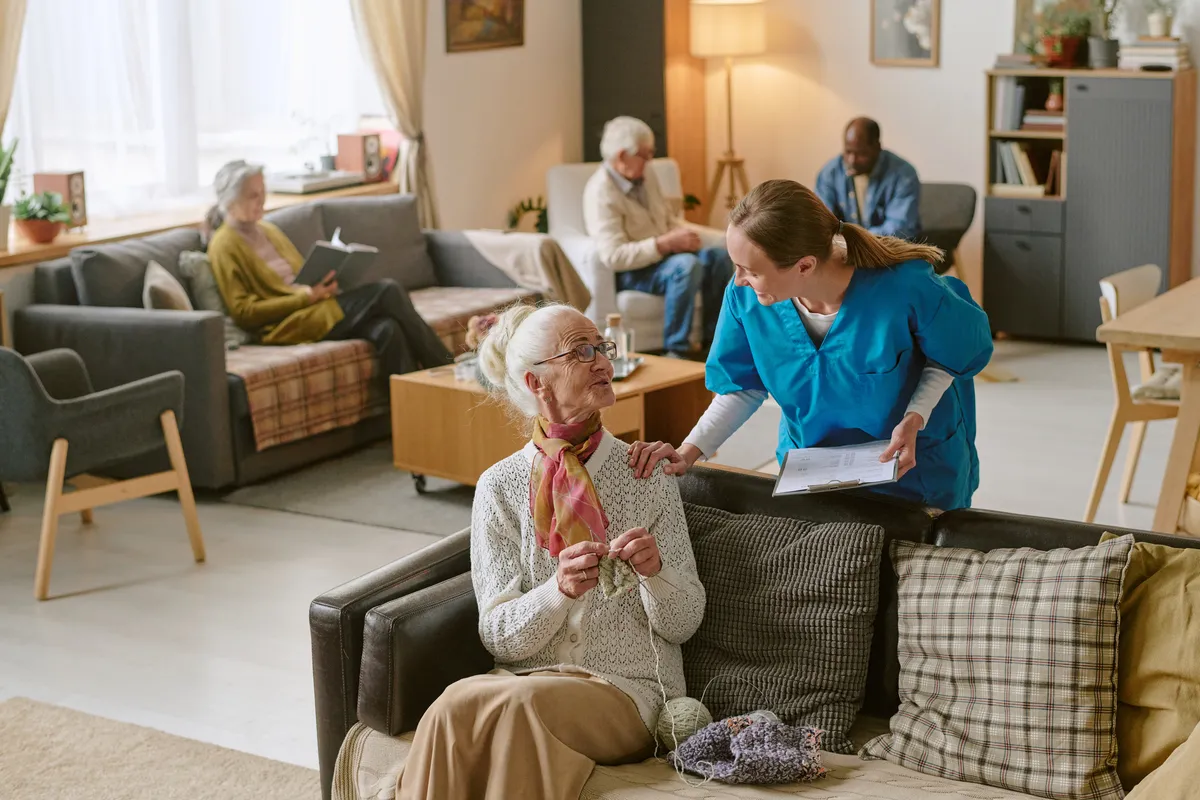
An American property trust paid £6.4bn last October for the homes of Britain's two biggest care chains. We traced the money through Companies House, the regulator's files and the operators' own accounts: who owns the homes, who runs them, and how much of the fee reaches the care.
A year after every practice in England was told to keep its online form open all day, requests have nearly trebled, patients say contact is easier, and GPs are in open dispute with the government. We went through the data to answer the question that matters: after you press submit, do you get seen?
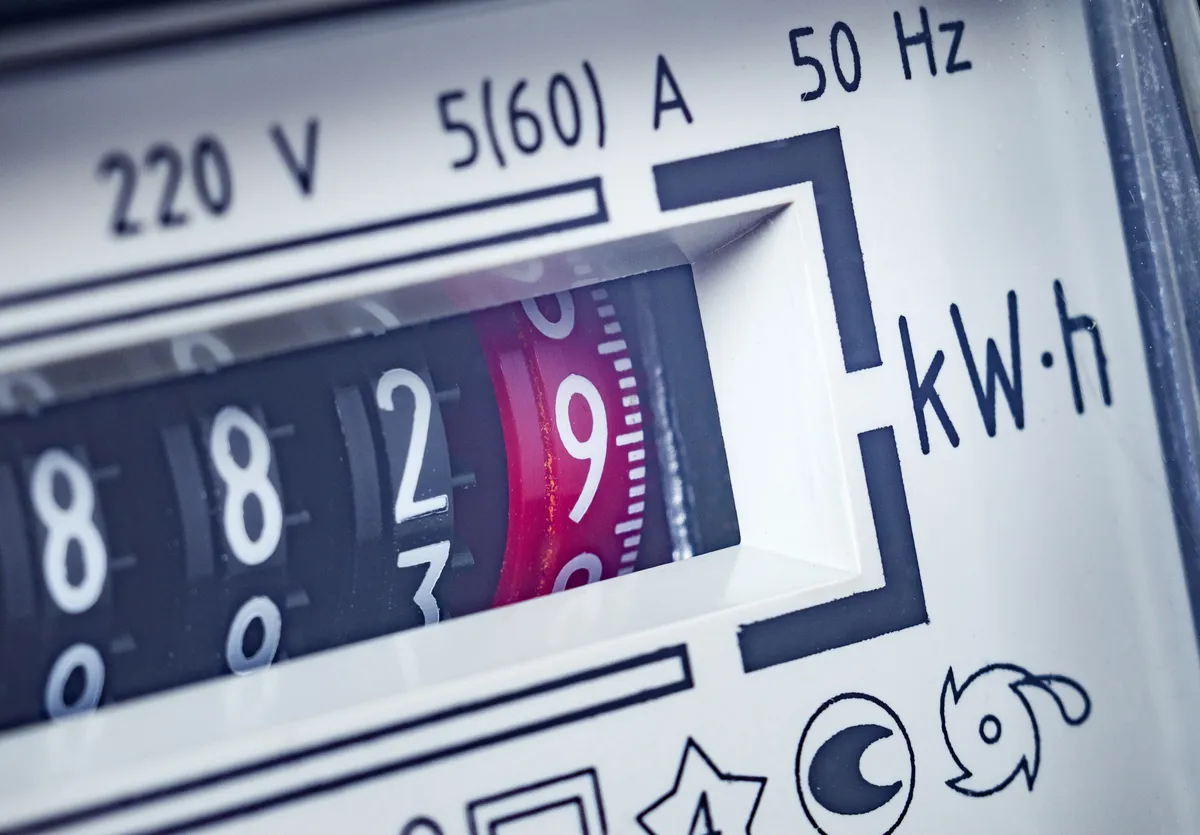
The cap for a typical home rises 4% to £1,723 a year on Thursday. Gas is up 8%, electricity is flat thanks to a VAT cut, and the cheap fixes have gone. What the numbers mean, who they cover, what help exists, and why the forecasts for January now say another 20% or more.
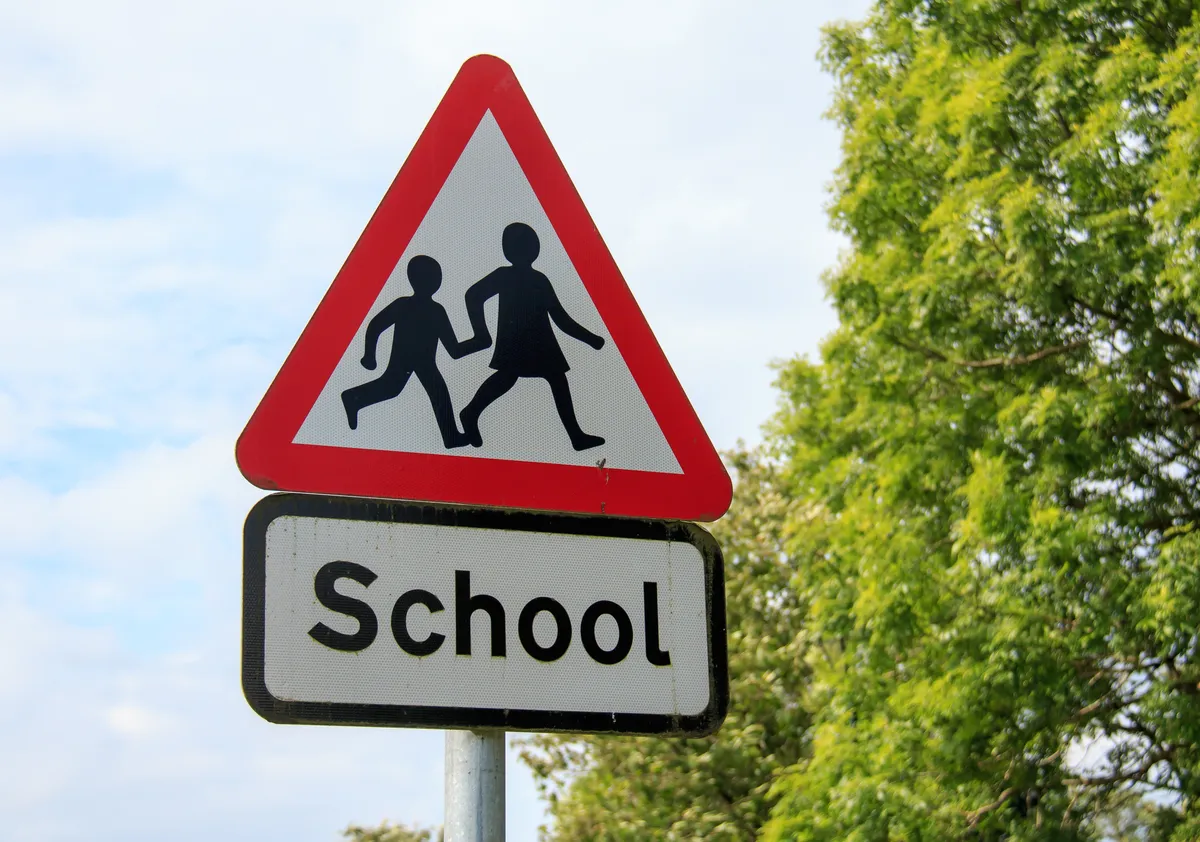
Nearly nine in ten young people use AI tools, most teachers now use them every week, and the government is paying eight companies to build AI tutors for disadvantaged pupils. A guide to what is actually happening in UK schools, what the evidence says, and who wants what.
After the death outside Highgate School, we asked whether fee-paying schools get the same protection as state ones. Haringey's record was fair. Barnet's and Wandsworth's are not: neither has a single private school among its School Streets. It comes down to who gets to choose.
The suspicion after a death outside a fee-paying school is that councils look after state pupils first. Haringey's record says otherwise. The real gap is that the one protection councils have rolled out at scale cannot be used on the main roads where children are most at risk.
Government borrowing is running £8.1bn above the official forecast five months into the year. Here is where that gap comes from, why it shrinks the Chancellor's room for manoeuvre on 28 October, and what the words "headroom" and "fiscal rules" mean when you strip out the jargon.